khemPosts: 16,657
Posted: 10 Sep 2007, 7:42pmSubject: sneaker freakers
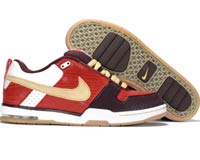
im still in love with these 'old spice' dunks
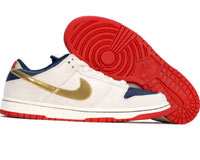
:lovethumbs:
:lovethumbs:
 A fan archive of the forums, 2003–2014
Forums › The SMF board (2007–2014) › Entertainment
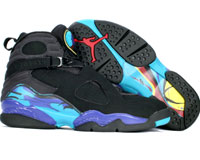
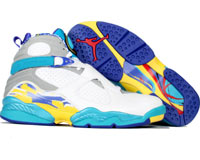
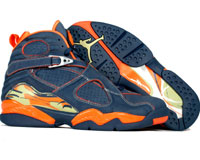
jordan 8 retros just dropped
still waiting for 6s to get the retro treatment
 the black ones are pretty much the same as the original ones that came out. they do come out in weird colors but they usually come out with the standard ones as well.
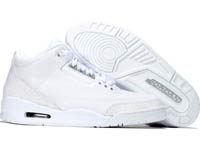
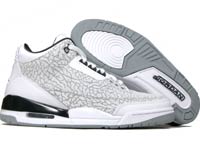
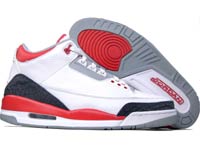 image not archived: aj3.jpg
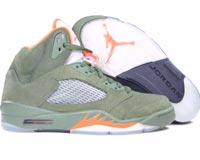
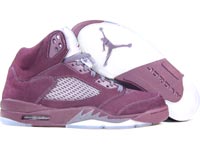
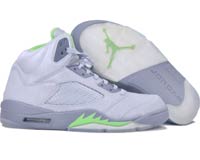



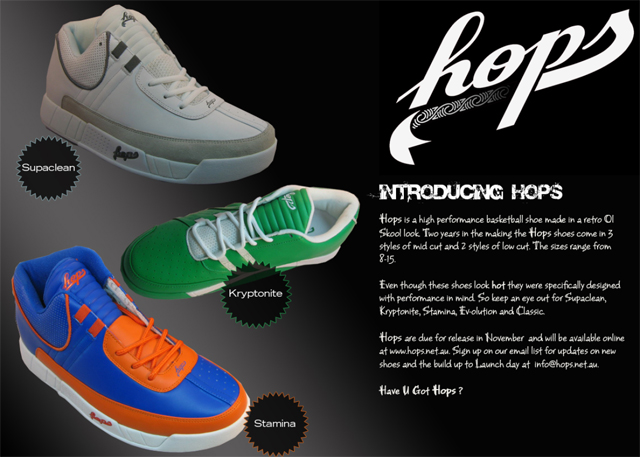
A new Aussie shoe company is coming out with a debut range in November, the ones I've seen so far look pretty sweet:
www.hops.net.au
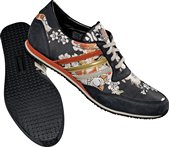
look way too much like moon boots imo
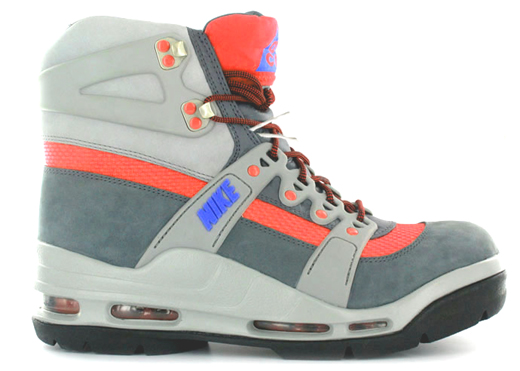
forever eh...
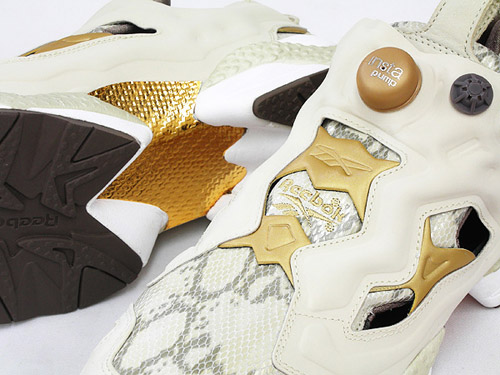
what about these ones?
not a sneaker, but thought you might like this
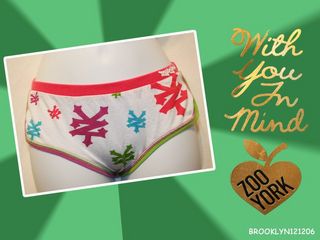
yeah im not a huge an of the 8s, i was just posting more sneakers cos no one else had yet
aint nothing wrong with any of these retros
but having said that they fucked up when they did the 5s
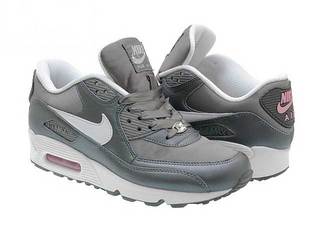


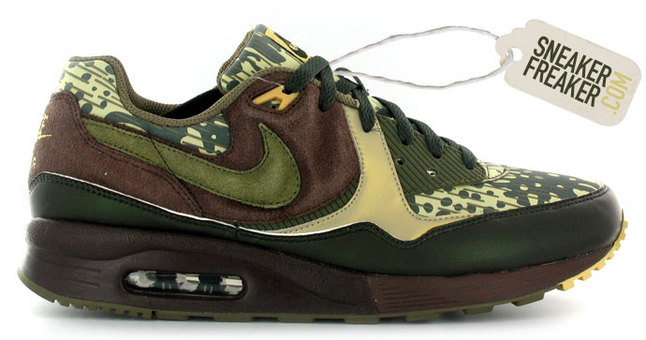
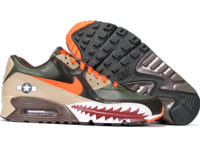
spitfire innit?? reckon they look ace!

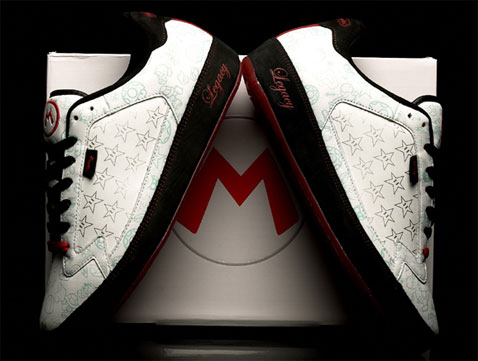
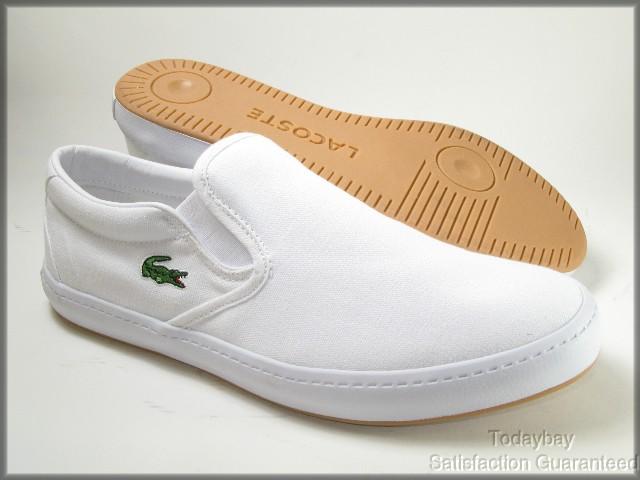
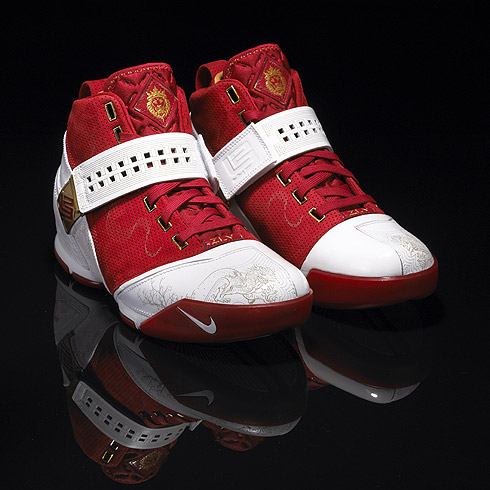
got these on the way
Lacoste Slippers
pimp on
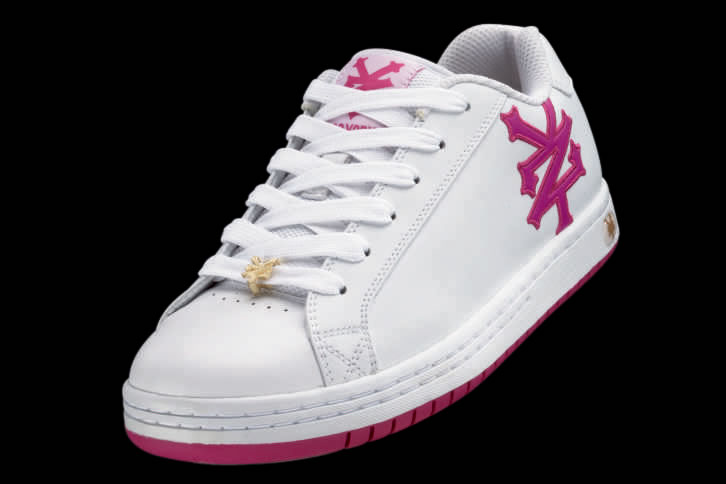
Im not normally big on pink clothing but these are bangin' >
http://www.pickyourshoes.com/new2/nike_trainer1_tech_maj.htm

I reckon you could paint a rainbow on those shoes and they'd become less gay.
I like them
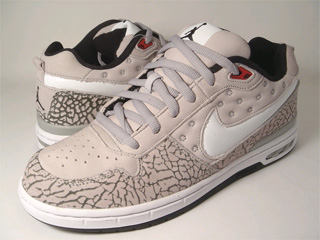
I think theyre very un-ghey actually. I really hate the faggy metros who wear pink for the sake of it, but pink is a sick colour. Im not gay and I would definately wear these. Theyre fuckin dope.

To buy or not to buy....
$169.85 Inc Postage...

Still undecided about these....


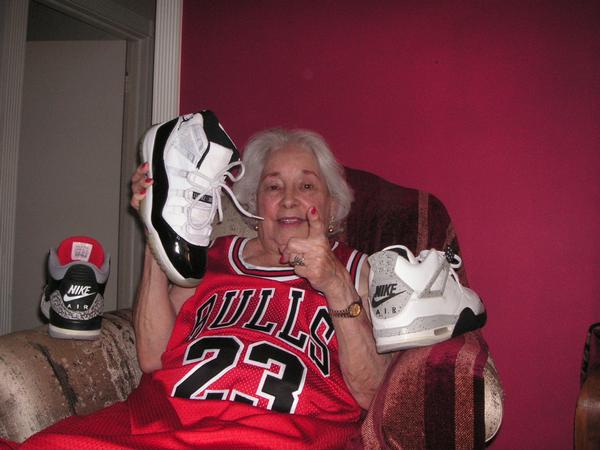
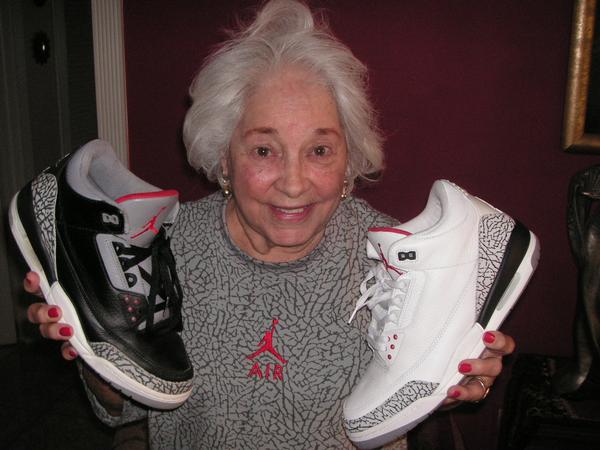

I want these.... 23 hours to go on ebay
image not archived: image
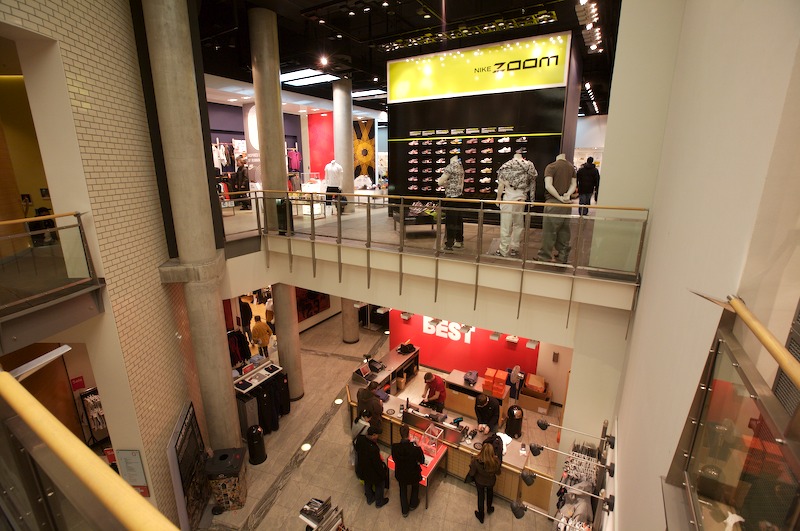
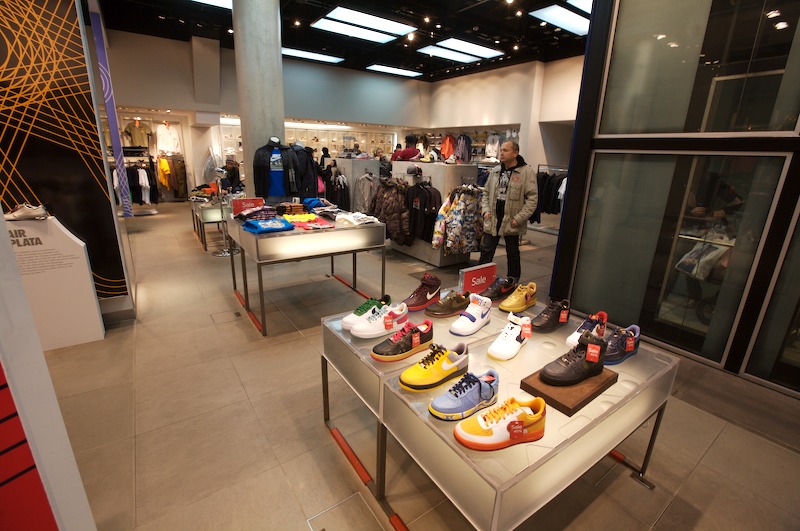
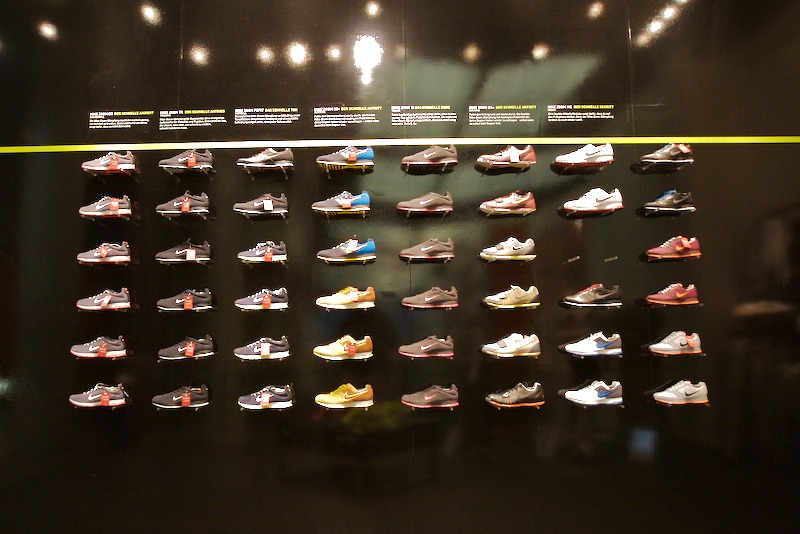
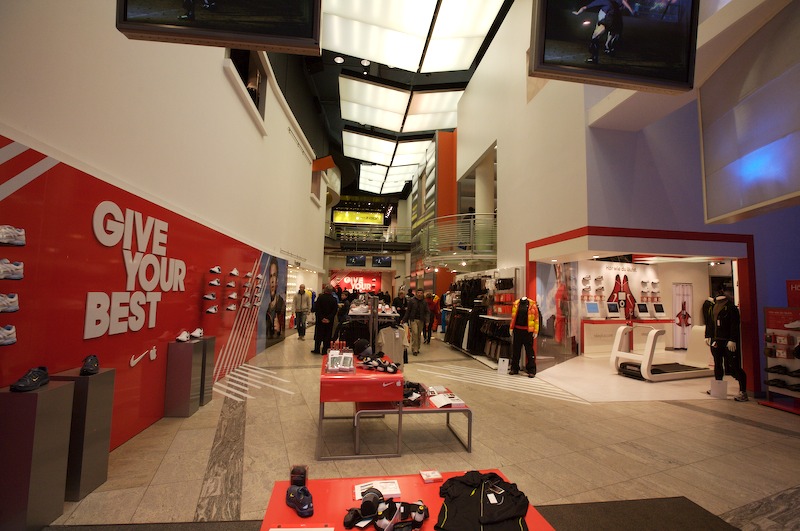
saw these in niketown
http://www.pickyourshoes.com/athletic/nike_insurgent_redwood.htm

everything i like is either sold out or not in my size, spewing i missed the last pair of kicks i liked...

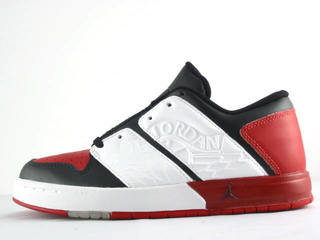

Put these on layby for Koebi last week!
but its the same shoe as this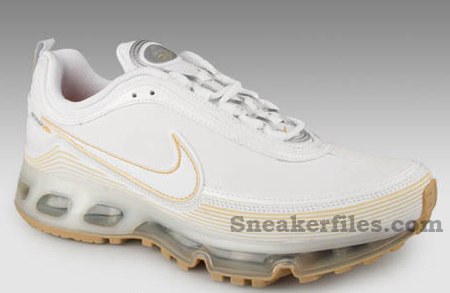
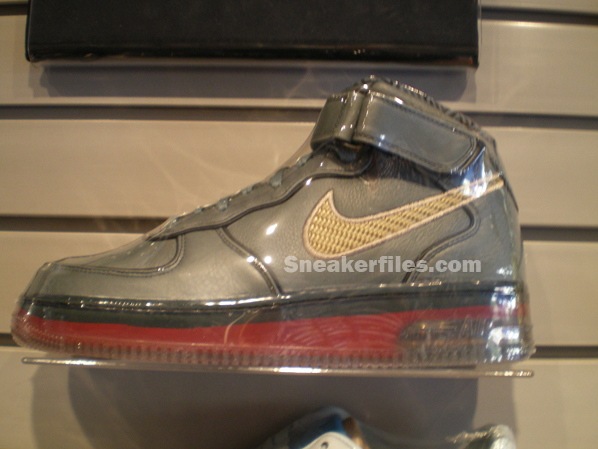
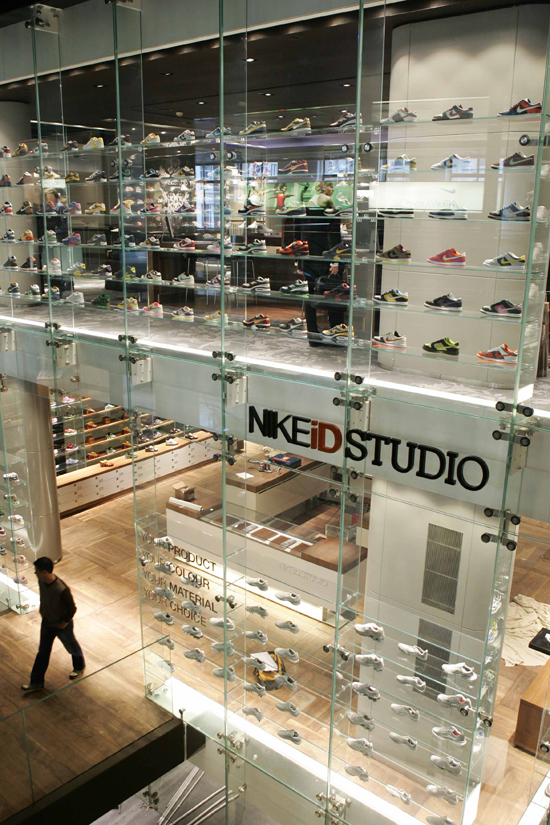
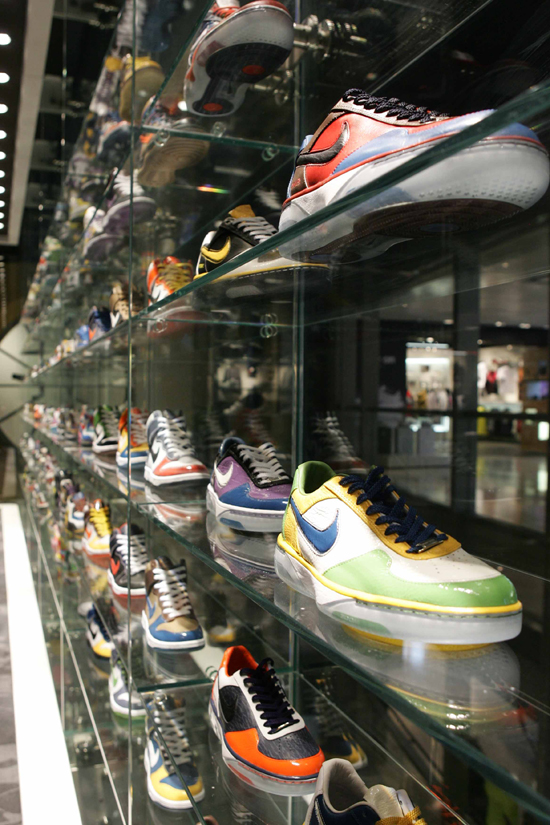
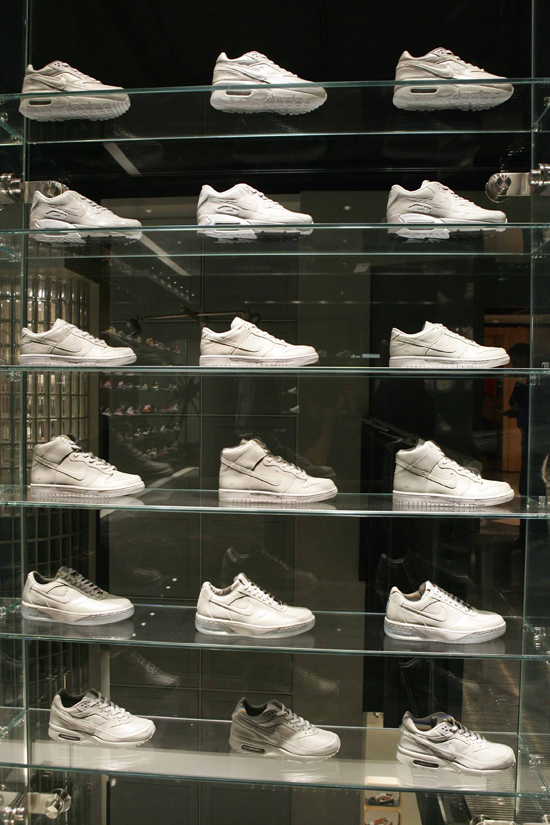
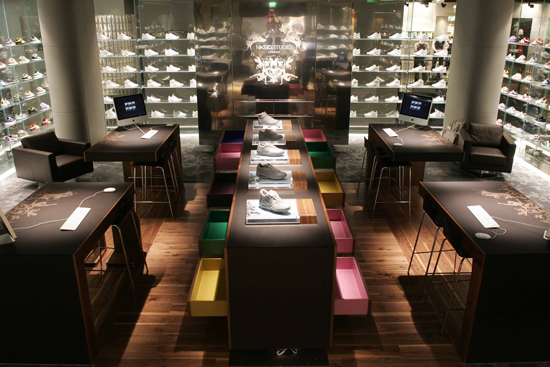
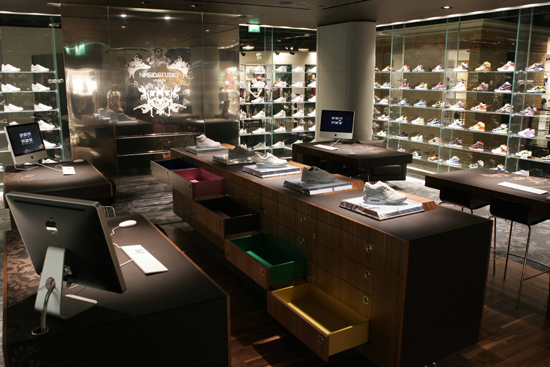
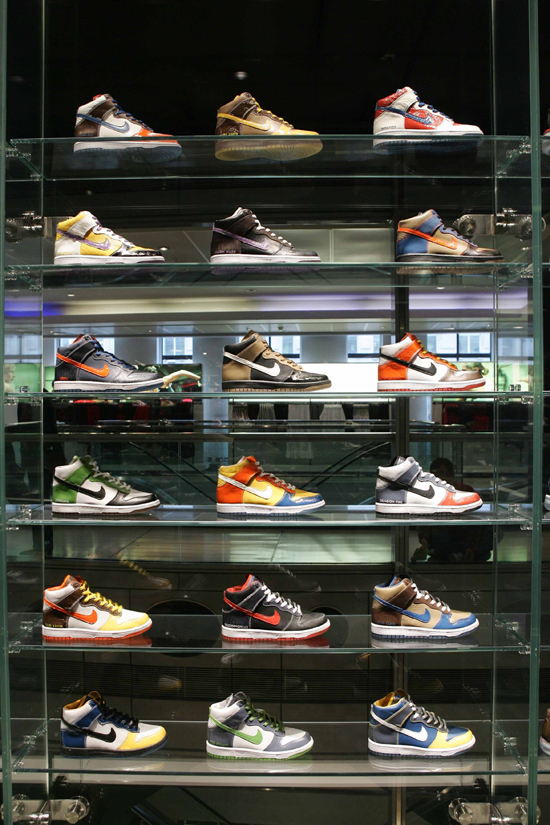


money talks there i'm sure!
wtf is with the cocoon on these?

money talks there i'm sure!
wtf is with the cocoon on these?
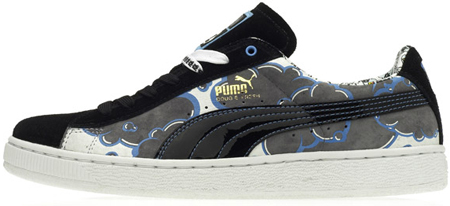
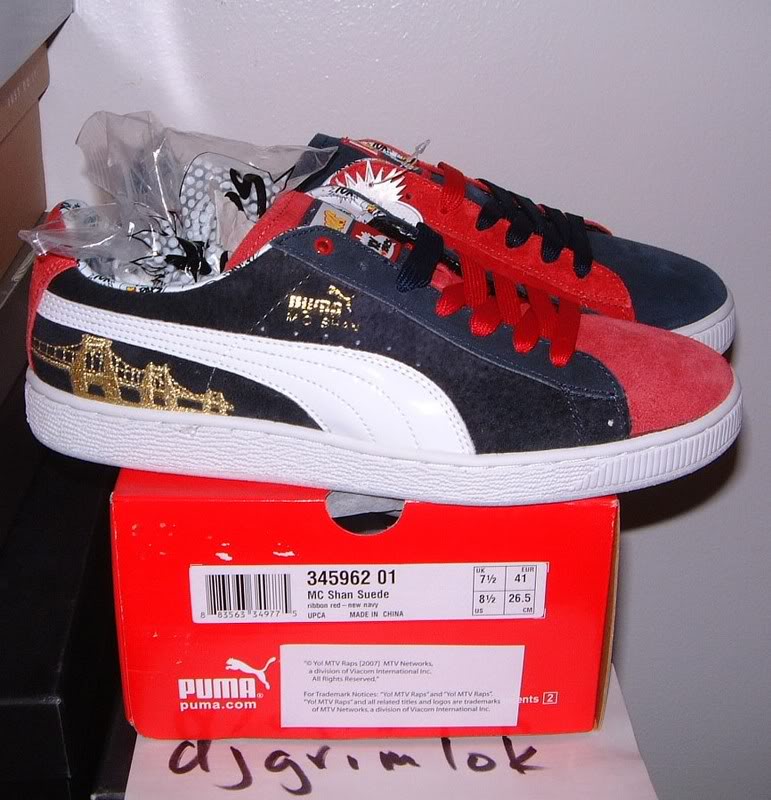
long live the kane
image not archived: Big_Daddy_Kane_Suede1.jpg

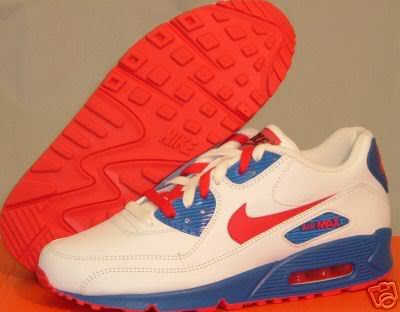
I like these Adidas trainers for something a little different.





 Posts: 1,644


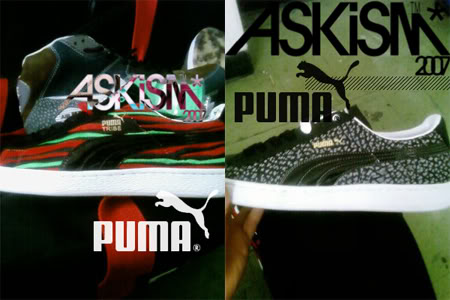


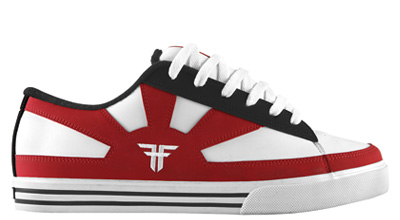
 Posts: 1,061 they are ugly but I like them.
 Posts: 1,061

 Posts: 1,061Posts: 1,061
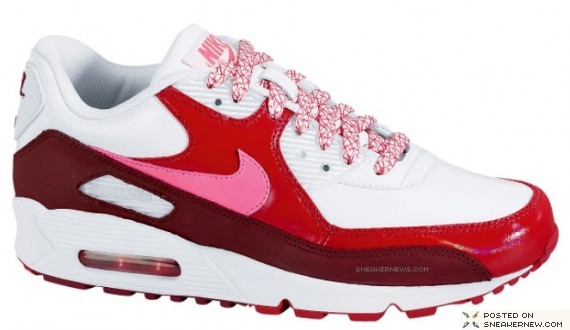 Posts: 1,061Posts: 1,682Posts: 1,682Posts: 1,682Posts: 1,682
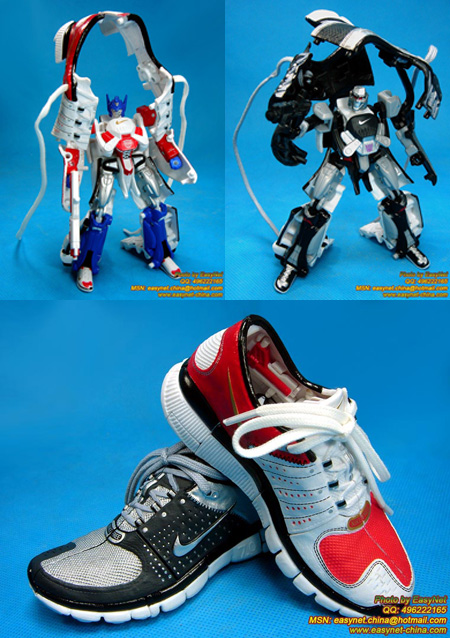
 Posts: 1,682Posts: 1,682 I know a few people I used to work with would be all over these though!)
 Posts: 1,682
 Posts: 1,682Posts: 1,063
 Wearin em now, so so comfy
 .Posts: 1,063.

 Posts: 1,682Posts: 1,682Posts: 1,063
 Posts: 1,063Posts: 1,682

 *Humps your foot*
 *Humps your foot*
 Posts: 1,063

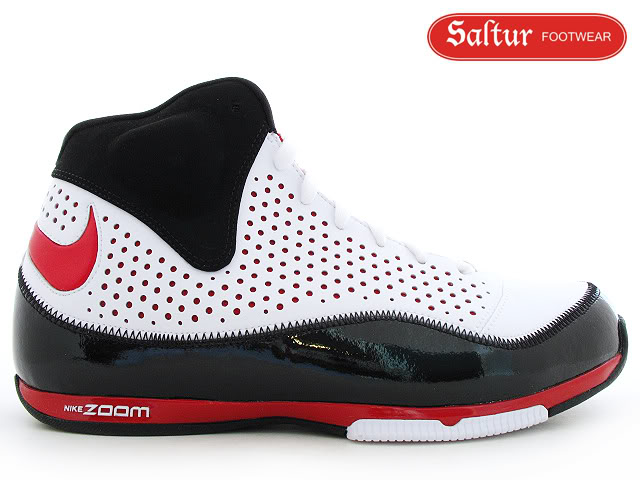

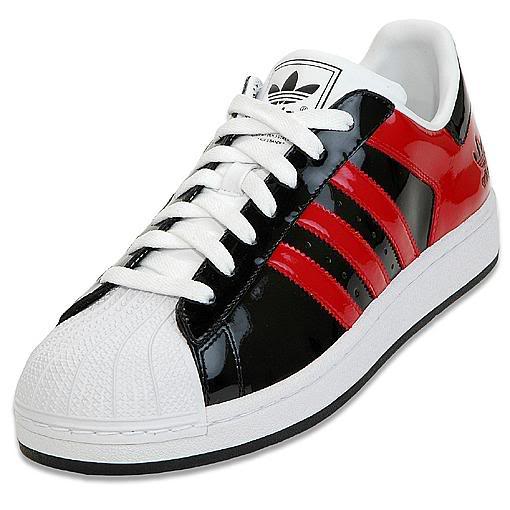
 I changed it

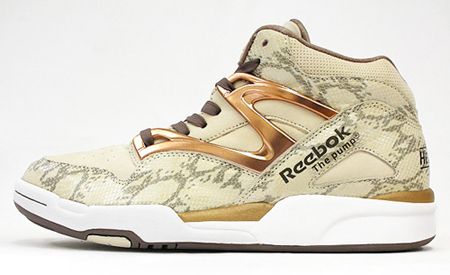
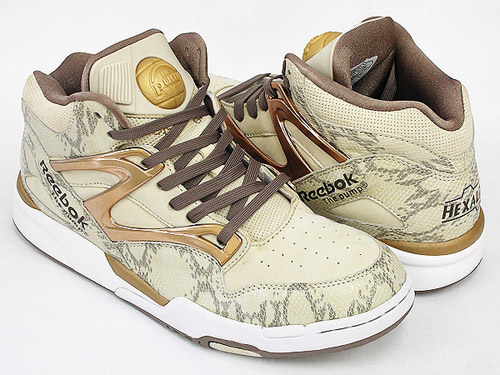
 " but that's after I get my Pump's, First in Flight only have the Black ones in my size."..
 Posts: 1,682Posts: 1,682.
 Posts: 1,644
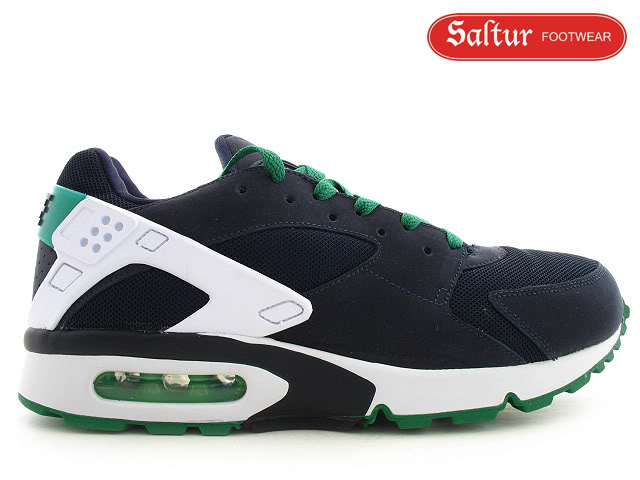
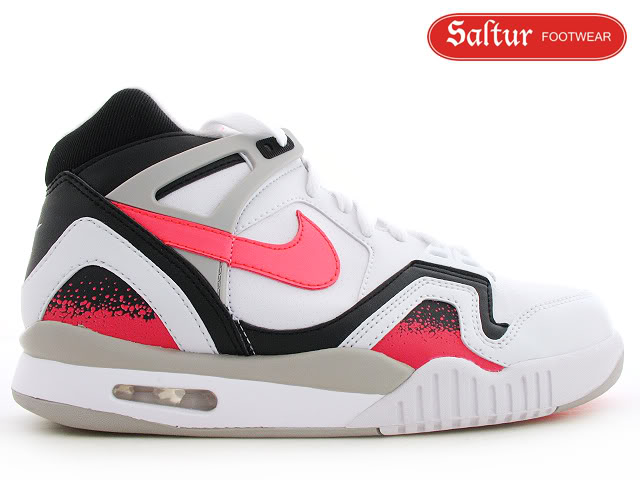
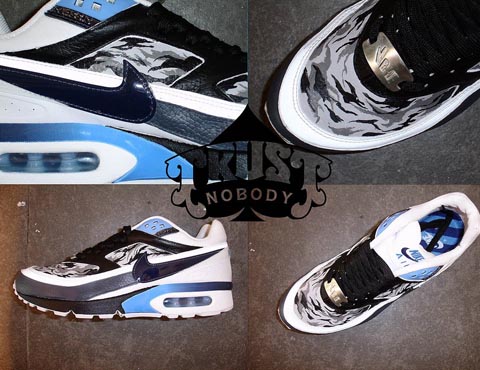
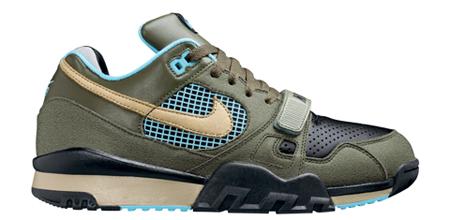
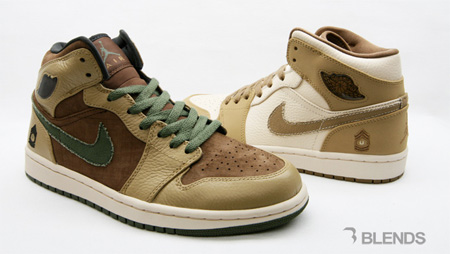
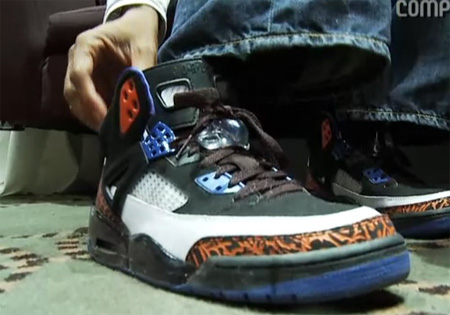
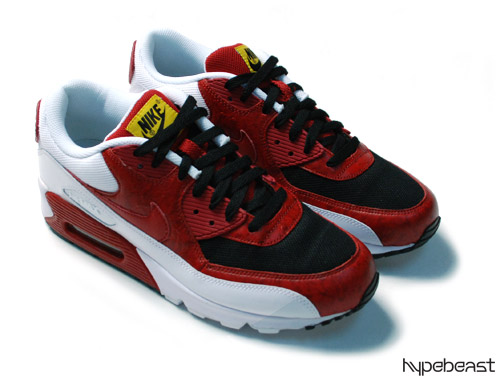
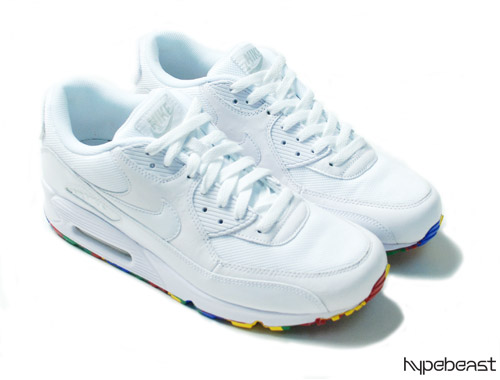
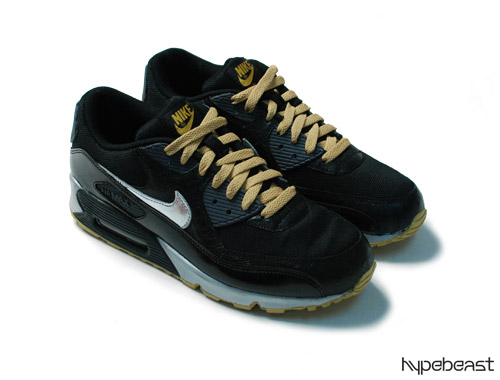
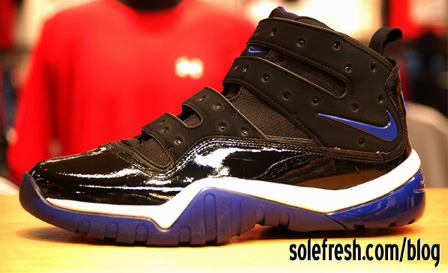
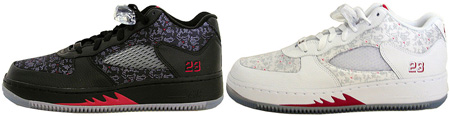 Posts: 1,628


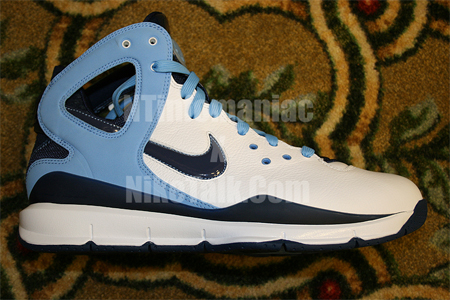
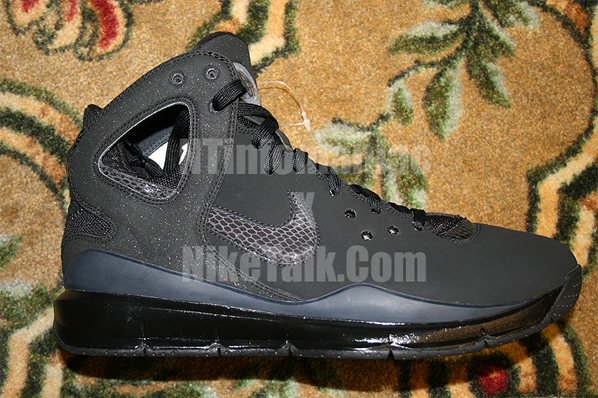
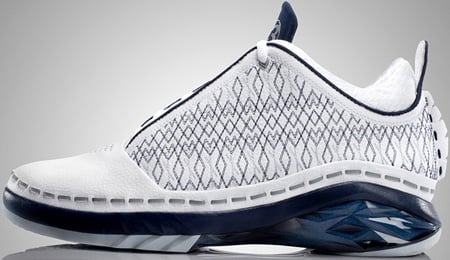
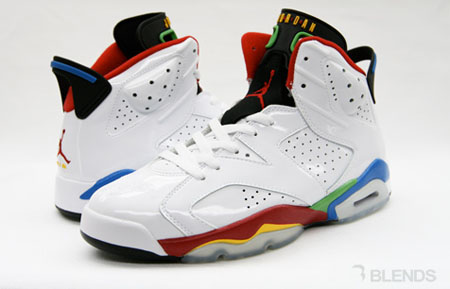


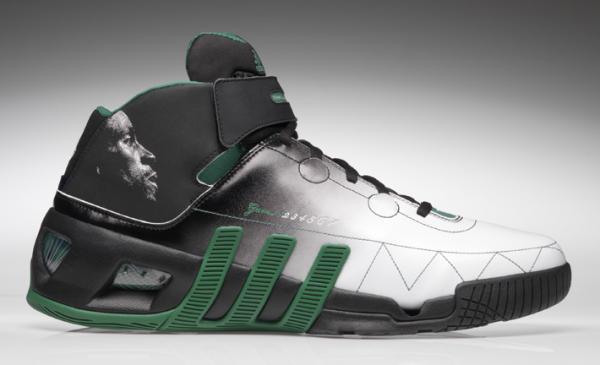
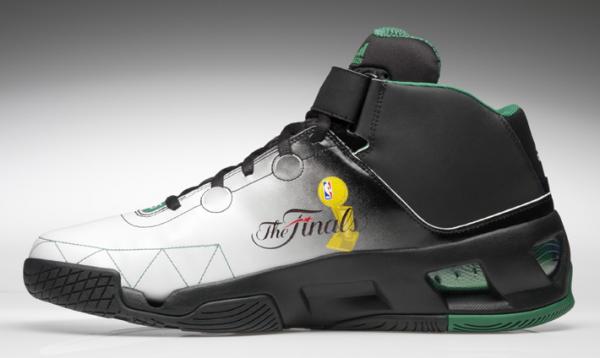 Posts: 1,620
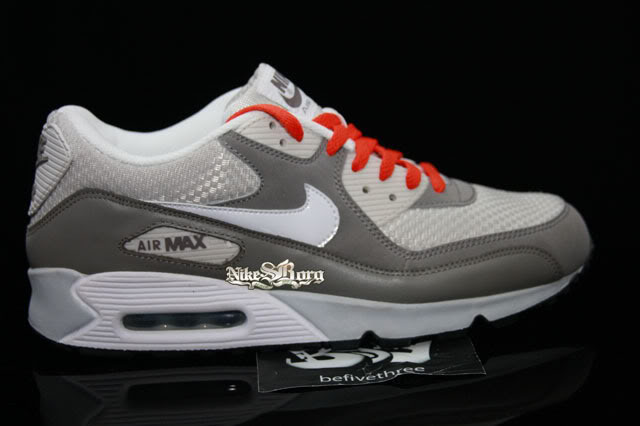 Posts: 1,620Posts: 1,620Posts: 1,620
 Posts: 1,042Posts: 1,620
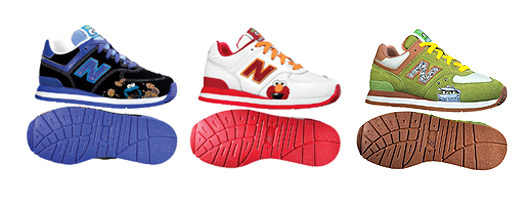 Ah fuck! To be a girl!